Why are dead trees a hazard in the Garden District
Dead trees in the Garden District of Coeur d'Alene create serious risks to property and safety. Learn why removal is critical and when to act.
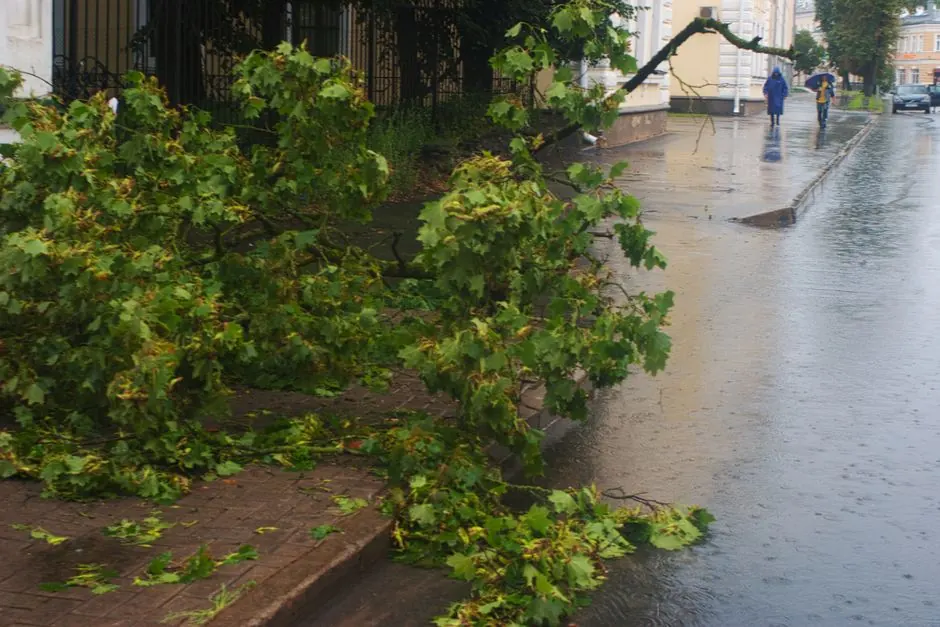
Dead trees are a hazard in the Garden District because they can fall unexpectedly, damaging property, injuring people, and creating fire risks. Removing these trees promptly reduces these dangers significantly. This post explains the nature of dead tree hazards in Coeur d'Alene's Garden District, the risks involved, and how professional removal services mitigate these threats.
Dead tree removal is a category of emergency tree services that involves safely cutting and removing trees that are dead or dying before they cause harm. In the Garden District, this service is critical due to the area's mature tree population and weather patterns that increase tree failure risks.
What is dead tree removal and why is it needed in the Garden District?
Dead tree removal in the Garden District involves identifying trees that have lost structural integrity due to disease, pests, or age and removing them before they fall. This service is necessary because dead trees no longer provide stability and can collapse with little warning.
The Garden District features many large conifers and deciduous trees planted decades ago. In 2026, the typical cost for dead tree removal in Coeur d'Alene ranges from $400 to $1,200 depending on tree size and location. The removal process includes pruning hazardous limbs, cutting the trunk, and hauling debris away.
Choosing Coeur d'Alene emergency tree removal ensures trained professionals handle these high-risk jobs safely, minimizing damage to homes and infrastructure.
How do dead trees create hazards in the Garden District?
Dead trees create hazards primarily through structural failure. Without healthy roots and strong limbs, dead trees are prone to falling during storms or under their own weight. In the Garden District, wind gusts frequently reach 25-40 mph in fall and winter, increasing the likelihood of tree collapse.
Additionally, dead trees attract pests like pine beetles that further weaken the wood. Dry, brittle limbs can break off and fall, endangering pedestrians and vehicles below. Dead trees also increase wildfire risk by providing dry fuel close to homes.
What specific risks do dead trees pose to Garden District homeowners?
Garden District homeowners face multiple risks from dead trees:
- Property damage: Falling trees or branches can damage roofs, fences, vehicles, and power lines.
- Personal injury: Collapsing trees can injure residents, visitors, or utility workers.
- Fire hazards: Dead wood increases the chance of ignition during dry spells, especially near wooden structures.
- Legal liability: Property owners may be held responsible if a dead tree falls and causes injury or damage.
For example, a 30-foot dead pine near a home can cause $10,000 or more in damage if it falls on the roof. The 2026 average cost to repair such damage in Coeur d'Alene is $7,500 to $12,000, making prevention through removal cost-effective.
Many residents in the Garden District rely on Garden District emergency tree removal ID services to manage these risks efficiently and professionally.
How does Coeur d'Alene's climate affect dead tree hazards in the Garden District?
Coeur d'Alene's climate contributes to dead tree hazards by exposing trees to cycles of moisture and freezing temperatures. Heavy snowfalls, averaging 40 inches annually, can weigh down weakened limbs, causing breakage.
Seasonal winds combined with dry summers stress trees, making them vulnerable to pests like the mountain pine beetle. These beetles have caused significant die-offs in the region over the past five years, increasing the number of dead trees requiring removal.
Snow and ice storms in the Garden District often cause branches to snap, creating immediate hazards that require storm damage tree removal services Coeur d'Alene to clear debris and prevent further damage.
Common mistakes in handling dead trees in the Garden District
Homeowners often underestimate the danger of dead trees, delaying removal until a crisis occurs. Waiting can increase costs by 20-40% due to emergency scheduling and higher risk.
Another frequent error is attempting DIY removal without proper equipment or training, risking injury and property damage. Dead trees can have hidden rot or unstable limbs that fall unpredictably.
Failing to inspect trees regularly is also common. The Garden District's mature tree population requires annual assessments, particularly after storms, to spot hazards early.
Ignoring local regulations is a further risk. Coeur d'Alene has ordinances protecting certain tree species but allows removal of hazardous or dead trees with permits. Not obtaining these can lead to fines.
When to call a professional for dead tree removal in the Garden District
Call a professional immediately if a tree is visibly dead, has large dead limbs, or shows signs of pest infestation. Trees leaning toward homes or power lines require urgent evaluation.
After storms, schedule an inspection if you notice broken branches, cracks in the trunk, or soil upheaval around roots. Professionals provide safe removal and debris cleanup, reducing risk and liability.
Takedown Co. offers dead tree removal service Coeur d'Alene with certified crews experienced in the Garden District's unique tree hazards and weather conditions.
Frequently Asked Questions about dead tree hazards in the Garden District
How quickly should a dead tree be removed in the Garden District?
Dead trees should be removed within 2 to 4 weeks after identification to prevent hazards, especially before winter storms peak in December through February.
What does dead tree removal typically cost in Coeur d'Alene?
In 2026, dead tree removal costs range from $400 to $1,200 depending on tree height (usually 20 to 60 feet) and accessibility in the Garden District.
Can I remove a dead tree myself safely?
Removing dead trees yourself is risky without equipment and expertise. Professional removal reduces injury risk and ensures compliance with local regulations.
Are there permits required for dead tree removal in the Garden District?
Yes, Coeur d'Alene requires permits for removing trees over 6 inches in diameter unless they pose an immediate hazard. Check with city authorities before removal.
How does pest infestation affect dead tree hazards?
Pests like pine beetles accelerate wood decay and increase the chance of sudden limb or trunk failure, raising the urgency for removal.
Get help with Emergency Tree Removal in Coeur d'Alene
If you spot dead trees creating hazards in your Garden District property, contact Takedown Co. for prompt and professional service. Our crews specialize in emergency tree removal services Coeur d'Alene to protect your home and neighborhood.